: Where Burrata, Taleggio, Pecorino, and Ricotta Truly Work in Hot Dishes
Italian cheese is often discussed as if its highest purpose were to appear on a wooden board beside grapes, honey, and a glass of wine. That format has its place, of course, but it tells only part of the story. In Italian cooking, cheese is not simply a finishing luxury or a display item. It is structural. It can thicken a sauce, soften a filling, deepen a broth, enrich a baked dish, or create contrast inside something hot and savory.
Yet not every cheese behaves well under heat, and not every famous cheese belongs in every hot preparation. Some melt into silk. Some tighten. Some split. Some become too aggressive if treated casually. The difference between a dish that feels balanced and one that feels heavy often depends on knowing not just what a cheese tastes like cold, but what it becomes when heat changes its texture.
Four cheeses show this particularly well: burrata, taleggio, pecorino, and ricotta. All are recognizably Italian. All are widely loved. But they do not do the same job, and they should not be used interchangeably.
Burrata: Best Added at the Edge of Heat, Not Buried Inside It
Burrata is often misunderstood in hot cooking. Because it is rich, soft, and luxurious, many people assume it belongs inside baked pasta, melted across pizza, or stirred directly into very hot sauces. In practice, that is rarely where it performs best.
Burrata is built around contrast. Its outer shell has more structure, while the inside is loose, creamy, and delicate. Prolonged heat destroys the point of that contrast. If baked too long, burrata loses its freshness and collapses into a generic richness. The result may still be pleasant, but it stops feeling like burrata.
Where it truly works in hot dishes is at the end, when residual heat rather than direct cooking does the work.
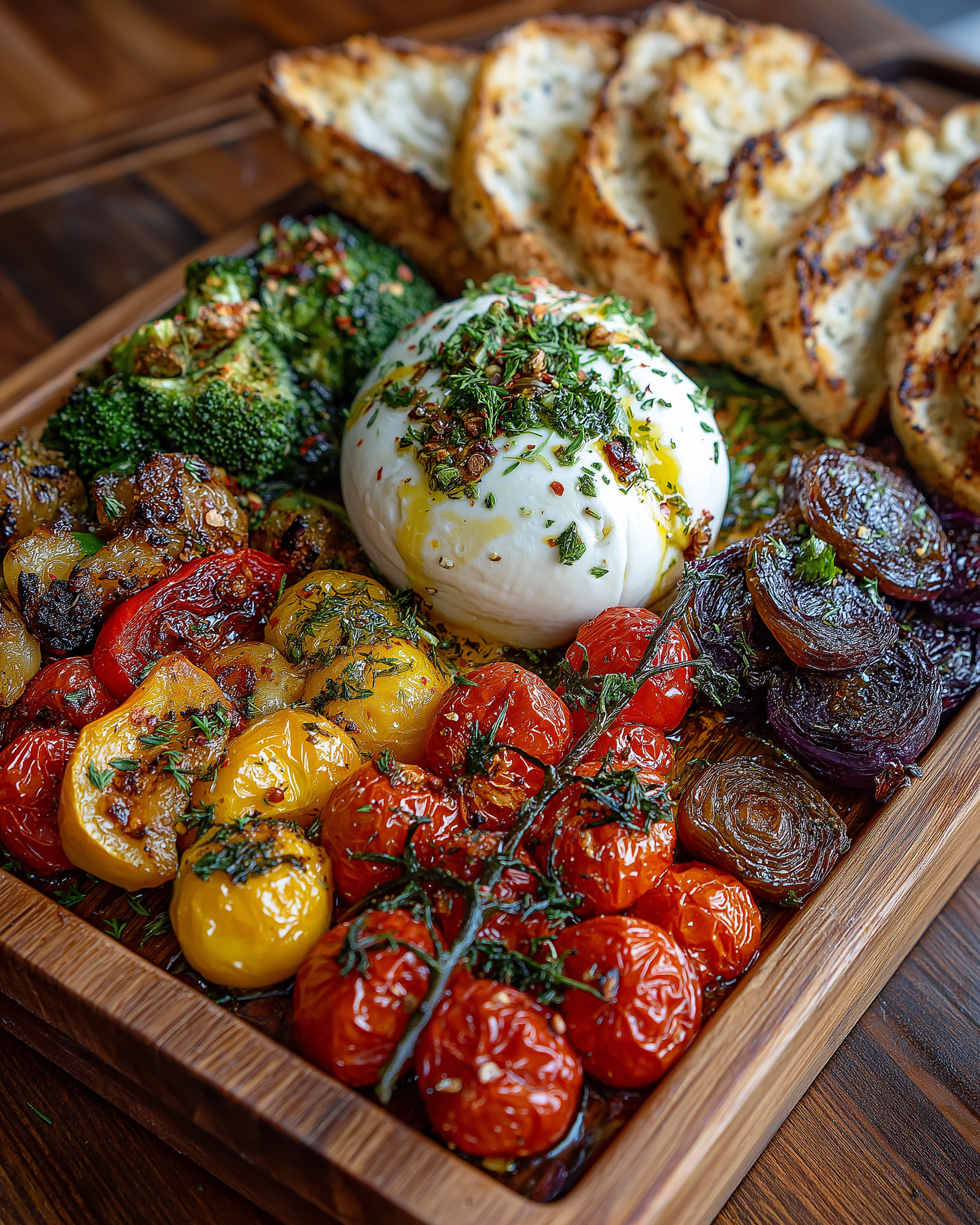
A spooned portion of burrata on top of roasted vegetables can soften just enough to create a creamy counterpoint without dissolving completely. It works beautifully over hot tomato-braised beans, grilled zucchini with olive oil, or a just-finished plate of pasta with slow-cooked cherry tomatoes. In those settings, the heat comes from below and from the plate itself. The cheese relaxes, opens slightly, and mixes naturally into each bite.
Burrata also works on pizza, but only when treated with restraint. On a very hot pie, it is often better added after baking rather than before. This preserves the cool, milky softness that makes it distinct. Against hot crust and acidic tomato, burrata gives the dish temperature contrast as well as textural relief.
Its real strength in hot food is not melt, but interruption. It interrupts char, acidity, spice, and dryness with softness. That is why it pairs so well with roasted peppers, blistered tomatoes, eggplant, and bitter greens. Burrata is not a cooking cheese in the strictest sense. It is a finishing cheese for hot food.
Taleggio: The Quiet Power of Melt
If burrata is best protected from full heat, taleggio is one of those cheeses that reveals its value because of it. Washed-rind cheeses can intimidate people on the cheese board. Their aroma may seem more forceful than their flavor. But in hot dishes, taleggio often becomes rounder, deeper, and more elegant than expected.
Its great strength is melt with character.
Taleggio softens easily and carries a savory, slightly earthy richness that spreads well through starch-heavy dishes. It is particularly effective in foods that need help becoming more fluid or more cohesive without turning stringy. That makes it excellent in risotto, polenta, and baked vegetable dishes.
A risotto with mushrooms and taleggio is a classic example of proper alignment between ingredient and method. The rice holds the cheese, the cheese enriches the rice, and the earthiness of the mushrooms gives taleggio something to answer. In baked preparations, taleggio also performs well with potatoes, leeks, radicchio, or winter squash. It melts into folds and layers instead of sitting apart from them.
It is also stronger than mozzarella in dishes where moisture control matters. In a potato gratin with Italian character, for instance, taleggio contributes richness without flooding the dish. In stuffed focaccia or savory tarts, it can create soft interior pockets with much more depth than milder melting cheeses.
The key is not to overcomplicate the company around it. Taleggio does not need too many competing ingredients. It works best when given starch, a little bitterness, or gentle sweetness. Too much garlic, too much chili, or too many cured meats can flatten its subtler qualities.
In hot dishes, taleggio is at its best when the goal is not drama, but interior warmth and quiet persistence.
Pecorino: Heat Turns It from Salty Accent into Structural Flavor
Pecorino is often reduced to a grating cheese, which is true but incomplete. In cooked dishes, especially Roman ones, pecorino is not merely a final flourish. It can be the engine of the sauce itself.
Because pecorino is firm, salty, and relatively low in moisture, it behaves very differently from creamy cheeses. It does not melt into broad, flowing softness. Instead, when handled correctly, it emulsifies with pasta water, fat, and motion. This is what gives dishes like cacio e pepe or certain versions of pasta alla gricia their particular texture. The cheese becomes both seasoning and body.
That said, pecorino is unforgiving. Too much direct heat and it clumps. Too little control over water and it turns pasty. Its success depends less on oven use and more on temperature discipline. It likes warmth, not abuse.
Outside pasta, pecorino works well in fillings, crusts, and baked savory preparations where salt and depth are needed more than overt creaminess. Mixed into breadcrumbs for stuffed vegetables, folded into savory pie fillings, or used in a topping for baked eggplant, it adds a kind of concentrated sheep’s milk sharpness that survives cooking rather than disappearing into the background.
It is especially effective in dishes built around legumes or greens. Lentils, fava beans, kale, chicory, and spinach all benefit from pecorino’s hard-edged savory quality. In these contexts, the cheese does not simply enrich. It defines the dish’s line of flavor.
One of pecorino’s overlooked advantages in hot food is that it can tighten a dish’s identity. Where softer cheeses broaden and mellow, pecorino sharpens. That is why it works so well in recipes that might otherwise drift into blandness.
Ricotta: Not for Stretch, but for Lightness
Ricotta has perhaps the broadest range of all four cheeses, precisely because it is so often misunderstood. It is not a dramatic melting cheese, and it is not meant to be. It does not stretch like mozzarella or flow like taleggio. Its value lies elsewhere.
Ricotta brings soft mass without heaviness.
In hot dishes, it works best as a filling, a layer, or a gentle binder. It gives body without aggression. That makes it ideal for stuffed pasta, baked cannelloni, ravioli fillings, savory tarts, and layered vegetable bakes. Mixed with herbs, lemon zest, spinach, or a little grated hard cheese, ricotta becomes an adaptable interior element that can carry flavor without dominating it.
This is why ricotta succeeds in hot dishes that need tenderness. In lasagna, for example, it creates soft intervals between denser layers. In stuffed zucchini flowers or baked peppers, it offers cushion and moisture. In gnudi, it becomes almost the whole identity of the dish: light, delicate, and more about texture than show.
Ricotta also works unexpectedly well in certain skillet dishes and warm toasts. Spread onto grilled bread and topped with hot sautéed mushrooms or roasted grapes, it softens just enough to become part of the whole composition. Again, the principle is similar to burrata, though less luxurious and more stable. Ricotta likes warmth more than intense heat.
What it does not do well is replace stronger cheeses where deep melt or bold finish is required. Ricotta cannot carry the savory pressure of pecorino or the lush melt of taleggio. It should be used for what it is: a cheese that introduces calm, softness, and absorbency into hot dishes.
Choosing the Right Cheese Means Choosing the Right Job
The mistake in cooking with Italian cheeses is often not using the wrong cheese altogether, but assigning the wrong function to the right one.
Burrata should finish hot dishes, not disappear inside them. Taleggio should melt into rice, vegetables, and baked layers where depth matters. Pecorino should emulsify, sharpen, and anchor flavor. Ricotta should fill, soften, and hold.
Once that is understood, these cheeses stop being decorative ingredients and become tools of structure. They influence not just richness, but texture, rhythm, and the balance between heat and softness on the plate.
That is where they truly work – not on a cheese board, isolated from the meal, but inside hot dishes where their behavior matters as much as their taste.